Building Circular Supply Chains from Munich to South Africa
ContainerGrid is a Munich-based B2B SaaS platform that optimizes circular supply chains and global recycling flows. Using its Workflow OS, the company connects recyclers, producers, and logistics operators to enhance sustainability.


For ContainerGrid, international expansion has always been driven by one goal: enabling a more connected and efficient circular economy.
Founded in Munich, ContainerGrid has developed a Workflow OS for circular supply chains, a neutral B2B SaaS platform that orchestrates end-of-life material flows across recyclers, dismantlers, producers, and logistics operators. By connecting every stakeholder involved in the recycling process, the platform enables greater transparency, operational efficiency, and collaboration throughout the value chain.
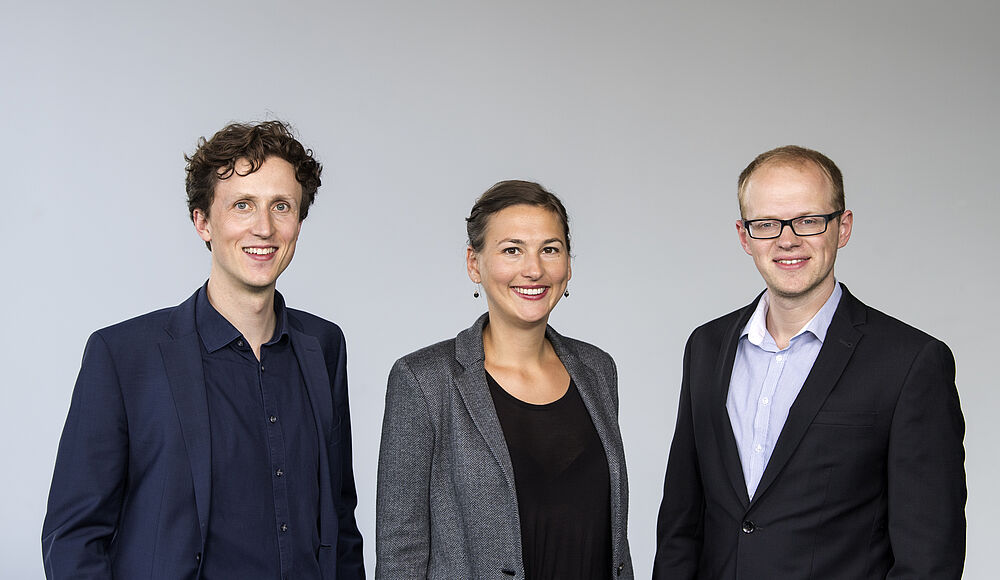
Today, ContainerGrid serves more than 70 customers and supports over 3,500 operators across its platform. As circular economy regulations continue to evolve globally, the company is focused on bringing its technology to new markets where digital infrastructure can accelerate sustainable resource management. For CEO and Co-Founder Aron Handreke, international expansion is not simply about entering new countries, it is about understanding local ecosystems and building partnerships that create lasting value. "We've learned that successful expansion starts with understanding how local markets actually operate," Aron explains. "Technology alone isn't enough. You need trusted partners, local knowledge, and patience."
Looking Beyond Europe
As Extended Producer Responsibility (EPR) regulations become increasingly important worldwide, South Africa emerged as an attractive market for ContainerGrid. The country has developed a growing formal recycling sector alongside a maturing EPR framework, creating strong demand for digital solutions that help organizations coordinate complex material flows and regulatory requirements. While the opportunity was compelling, entering a new market required more than identifying favorable regulations.
The team wanted to better understand procurement cycles, local decision-making structures, and how business relationships develop within South Africa's recycling industry. Just as importantly, they needed to identify the right organizations that could serve as long-term partners and help create the network effects on which the platform depends. Rather than navigating these questions independently, ContainerGrid sought a structured approach to market validation.
Finding Local Insight Through German Accelerator
To accelerate its understanding of the South African market, ContainerGrid joined the German Accelerator program. For the team, one of the program's greatest strengths was the combination of experienced mentors and carefully curated introductions to key stakeholders across the local ecosystem. Instead of spending months building a network through cold outreach, ContainerGrid was able to meet directly with relevant organizations, industry experts, and potential partners.
"The mentor network and the curated B2B meetings stood out," Aron says. "Being introduced to the right organizations directly compressed our learning curve significantly."
The structured meeting formats allowed the team to focus on meaningful conversations rather than finding the right contacts. Equally valuable were the debrief sessions after each meeting, where mentors helped interpret market feedback, challenge assumptions, and refine the company's expansion strategy. Rather than simply validating demand, the program provided the context needed to understand how business is conducted in South Africa and what it takes to build lasting commercial relationships.
Learning the Nuances of a Relationship-Driven Market
One of the biggest takeaways for the ContainerGrid team was the importance of trust in South African business culture. While relationship-driven business environments are often discussed in theory, experiencing them firsthand reinforced just how central personal connections are to successful market entry.
"Relationship-first culture is not a cliché, it is the operating reality," Aron explains. "Decisions move through trust networks before they move through procurement processes."
The experience also challenged some of the team's assumptions about the local recycling industry.
ContainerGrid found a sector that was more organized and mature than expected, particularly within e-waste and packaging. These insights gave the company greater confidence in the market while helping identify where its platform could deliver the greatest value. Perhaps most importantly, the program reinforced a broader lesson that now shapes ContainerGrid's international growth strategy. Rather than building operations independently, the company now prioritizes entering new markets through trusted local anchor partners who already understand the ecosystem and can accelerate adoption.
That partner-first approach has become a key element of ContainerGrid's go-to-market strategy, not only in South Africa but also in other expansion markets such as Japan and East Africa.
Building the Foundation for Global Expansion
Although several conversations initiated during the program are still ongoing, ContainerGrid left South Africa with something equally valuable: Clarity.
The team gained a much deeper understanding of where its platform fits within the local circular economy ecosystem, which organizations are best positioned as strategic partners, and how to approach market entry with realistic expectations. Rather than viewing the program as a short-term business development exercise, ContainerGrid used it to develop a repeatable framework for international expansion. The lessons learned in South Africa are already influencing how the company evaluates and enters future markets around the world.
Lessons Learned
Local Context Matters More Than You Think
Even when a product has proven itself in Europe, every new market has its own dynamics. Successful expansion requires validating not only customer demand but also procurement processes, partnership structures, and business culture.
Relationships Come Before Transactions
Building trust takes time, particularly in relationship-driven markets. Investing in strong local partnerships creates a stronger foundation than trying to build a market presence independently.
Learn Before You Scale
Programs like German Accelerator help founders validate assumptions before making significant investments. Access to experienced mentors and pre-qualified introductions allows companies to make faster, better-informed decisions while avoiding costly mistakes.
Curiosity Creates Better Outcomes
Approaching a new market with genuine curiosity, not simply a sales pitch, reactes stronger conversations and deeper insights. For ContainerGrid, understanding the local ecosystem proved just as valuable as identifying potential customers.
By combining structured market discovery with strong local relationships, ContainerGrid has built a scalable approach to international expansion, one that will continue to support its mission of digitizing circular supply chains and enabling a more sustainable global economy.