Why Relationships Come Before Business in Brazil
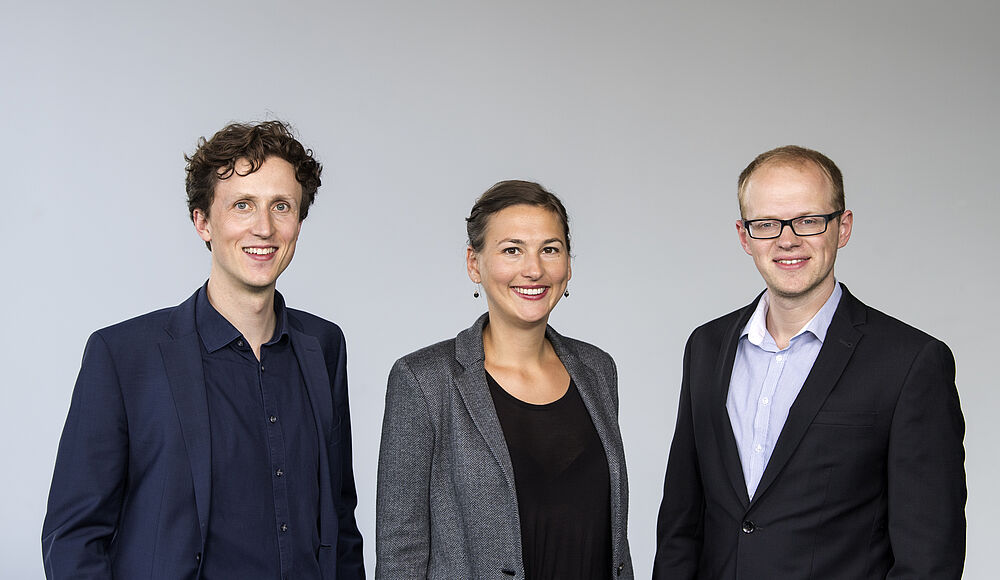
Three founders arrived in Brazil with a product ready to sell. Each left having learned that trust, not the pitch, is what actually opens the market.

The Pitch Is Not the Starting Point
Founders tend to prepare for market entry the way they prepared for their first customers back home: sharpen the value proposition, know the numbers, be ready to close. Three companies from very different sectors, edtech, health tech and inspection tech, went through German Accelerator's Brazil Market Discovery Program expecting some version of that playbook. What they found instead was a market that runs on a different currency entirely: relationships, built before business is even on the table.
Trust Isn't a Soft Skill. It's the Strategy.
21Skills, a Cologne-based edtech company supplying educational solutions for researchers, thought it already understood this. "Everyone told me before I was coming here that trust is very important and relationships," the CEO recalled. But two weeks on the ground made the lesson concrete in a way secondhand advice never could.
"When I came here, I realized it's even more important than I thought."
The signal didn't come from one standout meeting. It came from the pattern across dozens of conversations. Everyone 21Skills spoke with was enthusiastic not just about the product, but about a bigger idea: that higher education should drive real-world impact, create jobs and solve practical problems, not just produce science. That shared conviction showed the team where trust in Brazil actually starts. It is not a box to check before the "real" conversation begins. It is the real conversation.
Care QR, a Munich health tech startup, arrived with even less groundwork. The team hadn't done much research before landing in South America, and that gap could have been costly. Brazil's healthcare ecosystem is vast: hospitals, insurers, innovation hubs, public and private stakeholders, each shaping adoption differently. The co-founder summed up the first rule of the market:
"First, you need to get to know each other. That is the main priority in the Brazilian market."
That is exactly how the breakthrough happened. A single conversation with a venture capital expert reframed the entire opportunity and revealed health insurers as a customer segment the team hadn't considered. Without that reframing, the co-founder was blunt about what would have happened next: "The mistakes I could have made without being here would probably have been hiring a business manager in Brazil," before the team even understood how the market actually works.
What "Relationship-First" Looks Like on the Ground
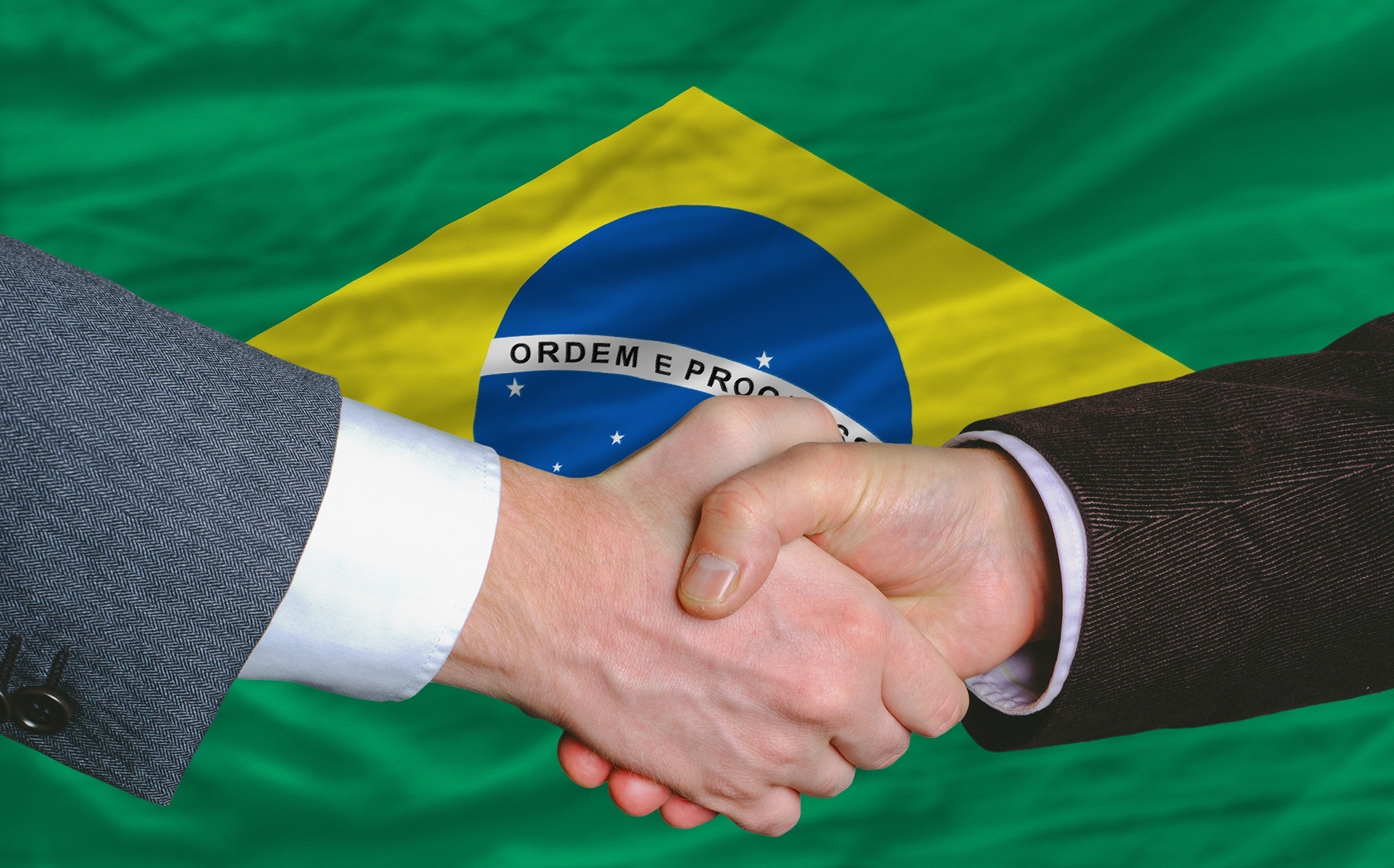
For Emory Pro, a digital inspection-workflow platform, the assumption wasn't about research. It was about channel. A digital product should be sellable online, the team reasoned, the same way it was elsewhere. Brazil dismantled that assumption immediately. Sales don't happen through a funnel. They happen through personal connection.
"We would have completely missed it. We need a representative on the ground who takes care of local sales. Sales happen over dinners, over drinks, we meet people in cafés."
That single insight reshaped Emory Pro's entire go-to-market plan: not just who sells, but how the website, landing pages and product messaging need to be adapted so the market can trust what it's looking at before a deal is even discussed.
The Common Thread: Trust Is Infrastructure, Not Etiquette
Line up these three stories and a pattern emerges that has nothing to do with sector. An edtech company, a health tech startup and an inspection-tech platform all arrived with reasonable, product-first assumptions. All three found that in Brazil, trust functions as market infrastructure. It determines who gets access to hospitals and insurers, who gets a second meeting after enthusiastic first contact, and who gets introduced to the right partner instead of the wrong one.
This isn't a cultural footnote to bolt onto a market entry deck. It changes concrete decisions: whether to hire locally before or after understanding the ecosystem (Care QR), whether the sales motion needs a person on the ground instead of a landing page (Emory Pro), and how much time to budget for follow-up visits rather than a single "market entry trip" (21Skills).
The First Trip Creates the Signal. Follow-Up Builds the Market.
None of the three companies treated their immersion as a finish line. 21Skills' CEO was explicit that two weeks was "only the beginning," with a clear plan to return, invest more time and work more closely with Brazilian partners to really understand each other and build a new solution together. Care QR left with a sharper map of who to keep talking to, insurers and hospital innovation hubs, rather than a signed deal. Emory Pro's task now is to do the work after returning home: adapting the strategy, refining communication and finding the local representative the market clearly requires.
The shared realization is that market discovery in Brazil doesn't end with insight. It ends with a follow-up plan. Founders who treat the first trip as validation and stop there will have learned the lesson without acting on it.
Key Takeaways
- Trust is not secondary to strategy. It is the strategy. In Brazil, how quickly a company moves from interest to real cooperation depends on relationships built before the pitch, not during it.
- Patterns matter more than single meetings. 21Skills' insight came from repeated signals across many conversations, not one great pitch.
- The obvious customer segment may not be the right one. Care QR discovered health insurers as a viable segment only through a local conversation it hadn't planned for.
- Digital products still need human sales in relationship-driven markets. Emory Pro learned that online-first approaches miss how Brazilian buyers actually build trust: over dinners, drinks and coffee.
- The first visit is a start, not a strategy. All three founders left with the same conclusion. Real market entry requires returning, investing time and building with local partners rather than simply selling to them.